
The Ultimate Abs Workout You Can Do Anywhere

Wanting stronger abs without equipment or gym hours is common. Your core helps keep your back from hurting and it improves how you sit or stand. I came up with a workout that fits anywhere it seems. Everyday movements feel better with it too. It works in a living room or outside. Maybe even in a small hotel space. That part gets a bit messy when you try to do it all at once. You can do the whole thing without anything special which is the main point.
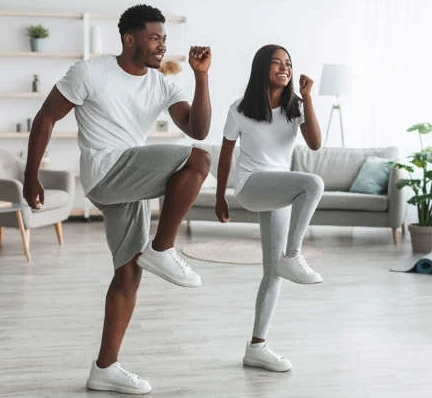
Why Core Strength Matters Beyond the Gym
Core muscles do more than people usually think. They cover the whole trunk and that means the lower back and sides plus hips get involved too. Building them up makes balance better and lowers the chance of injury while making daily things simpler to handle.
Picking up things or just moving around feels easier after a bit. In a month you can tell the difference with posture and less back trouble for most. A study from 2019 showed that consistent work on the abs led to fewer problems there and more confidence in movement. Side effects like improved balance show up without needing special equipment.
I am not totally sure how fast it all happens but it seems quick. That is one thing about it. You do not need gym stuff at all. Bodyweight exercises on the floor work fine for this and keep it simple.
Your Anywhere Abs Workout Routine
This routine works fine for me since it does not need much time or space at all. You just move from one exercise to the next aiming for thirty to forty five seconds of work and then fifteen to thirty seconds of rest. After finishing the set you rest a minute and go through it again for three rounds total. No gear is required so you can start right away.
The moves are plank bicycle crunch mountain climber alternate elbow touches leg raise reverse crunch and superman pull. I think mixing them keeps it from getting boring too fast.
Warm up comes first for a few minutes. Jog in place or do some jumping jacks and arm circles to get loose. That part is easy to skip but it helps avoid feeling stiff later.
If you are new to this maybe try twenty seconds per move at the start. You can build up as it gets easier. Writing down how you do each time seems useful for noticing small changes and staying on track even when progress feels slow.
 https://stretchingover60.com/wp-content/uploads/2026/07/wealthy_affiliate_going_up.jpg
Tips to Get the Most Out of Each Move
- Form comes first: Quality beats quantity every time. It’s better to do fewer reps correctly than to rush through them with sloppy form. Proper form keeps you safe and helps every rep count.
- Engage your core: Imagine pulling your belly button towards your spine for every move. This keeps the key muscles firing and helps prevent back strain, which means more benefit and less risk.
- Focus on breathing: Inhale through your nose, exhale as you crunch or exert effort. Holding your breath can actually make moves harder, and not in a good way. Breathing right gives you more power.
- Progress is personal: Don’t worry if your plank shakes after just a few seconds or your heels don’t quite hit the floor during leg raises. It’s all about doing a tiny bit better than you did last time and keeping an eye on your own wins.
Common Roadblocks, and How to Get Around Them
Everyone hits a snag at some point along their abs adventure. If you feel bored, stuck on a plateau, or just can’t seem to get a move right, here’s what’s usually going on and what I do about it:
- Boredom: Mix up your workout by changing the order of moves, adding time to each set, or including an exercise you haven’t tried before (like side planks or heel taps). This keeps your sessions fresh and your motivation high.
- Neck or back pain: Make sure you’re not pulling on your neck during crunches or letting your lower back arch off the floor during leg raises. Press your lower back gently into the floor and keep your movements controlled to avoid unnecessary strain.
- No visible abs: Visible abs are a combination of core strength, consistent exercise, and healthy eating. Even if you can’t see them yet, you’re still building strength that benefits your whole body, so stick with it and pay attention to how you feel, not just how you look.
Dealing With Lower Back Discomfort
If you notice lower back discomfort during abs exercises, slow down and doublecheck your form. Many people find swapping bicycle crunches for a dead bug move (lying on your back with arms and legs in the air, then slowly lowering one arm and the opposite leg at the same time) feels more comfortable. Focus on firing up your core before you even start the move, and if you ever feel sharp pain, take a break and check in with a fitness professional for extra peace of mind.
Staying Motivated
Setting small goals, like holding a plank five seconds longer or completing a full third round, helps keep workouts exciting and challenging. I sometimes reward myself with a walk outside, a new playlist, or a smoothie after finishing a tough session; it’s all about recognizing your victories and keeping yourself interested.
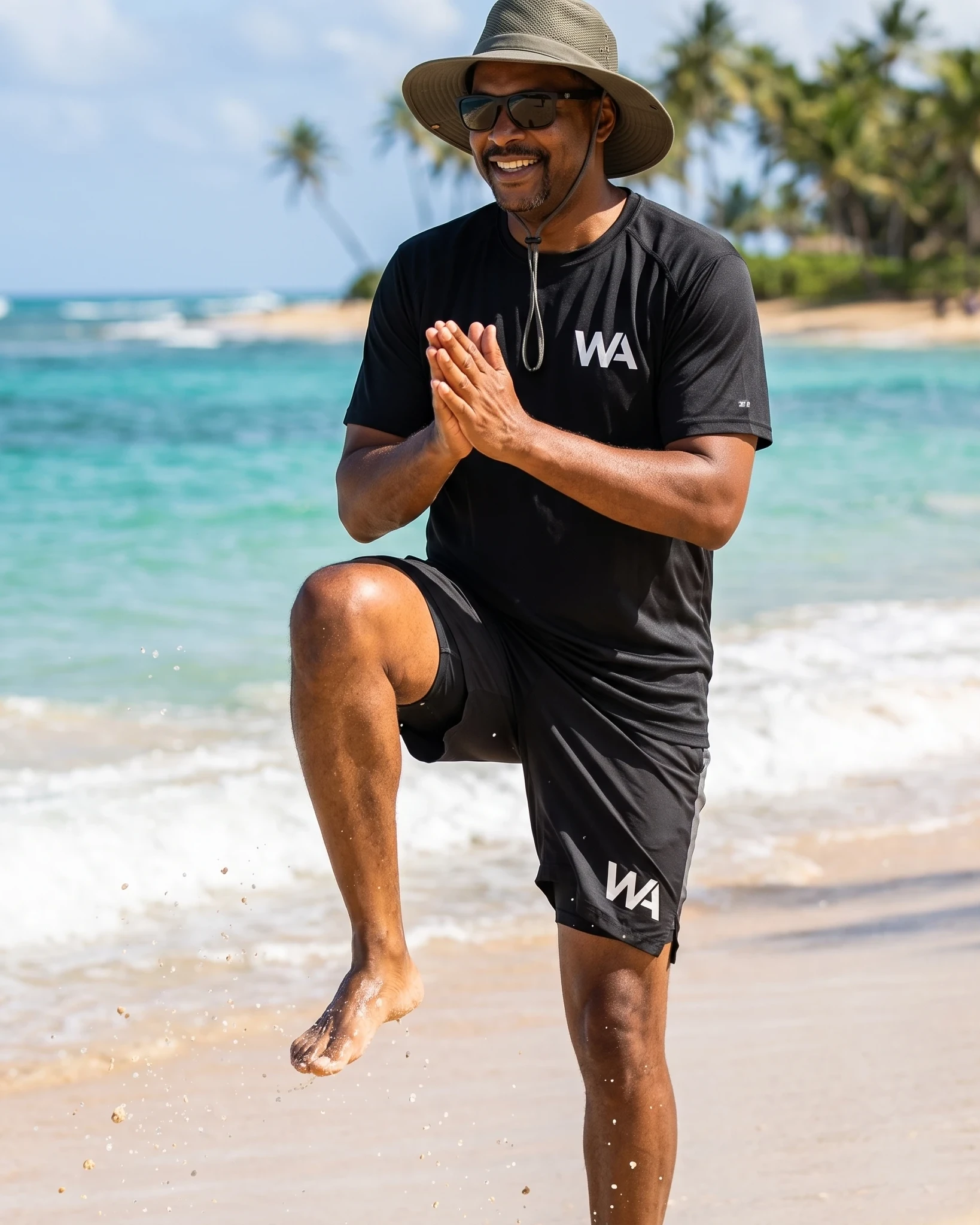
Advanced Tips for Challenging Your Abs Even More
Once the basics start to feel a little too easy, you’ve got options to take things up a notch without a single piece of equipment. Here are a few ways to give your core a real boost and break past your usual limits:
- Slow it down: Count to three as you lower your legs during leg raises or hold the bottom of a plank for longer. More time under tension means more muscle challenge and better results per rep.
- Try single side moves: Raise one leg at a time in plank position or do bicycle crunches super slowly, isolating one side before switching. This makes your core work even harder to stay steady.
- Include holds: Pause at the toughest part of a move, like at the top of a sit up or the lowest point of a plank. Holds crank up the intensity and really light up those muscles.
- Add instability: Place your hands or feet on a pillow or towel to challenge your balance. Instability forces your core to work overtime, making every exercise more effective and keeping things lively.
Mixing up your routine with these tweaks keeps your body guessing and can make your abs work even harder, all without needing any extra gear.
Where Abs Workouts Fit into Your Overall Routine
I aim for three or four good core focused sessions a week, with at least one rest day in between. It’s not just about targeting abs every single day; your core gets plenty of action during other workouts and even in daily life, like when you carry groceries or climb stairs.
If you’re already doing cardio or weight training, try adding one round of this abs routine to the end of your workout. If you prefer shorter sessions, squeezing two or three quick Mini sessions throughout the week works well too. The main thing is to stick with a routine that feels doable and allows your muscles time to recover and build back even stronger.
Frequently Asked Questions
How often should I do an abs workout?
Three to four times per week is super effective for most people. Your muscles need time to recover, so taking a full day off between sessions helps you get stronger, not just sore.
Do I need to change my diet to see abs?
Eating balanced meals supports muscle growth. There’s no specific food that makes abs pop, but focusing on whole foods, lean proteins, and less processed stuff helps reduce body fat over time. Healthy eating gives your body the fuel it needs to build strength and show results.
Can I get a six pack from bodyweight moves alone?
Yes, building visible abs is possible with bodyweight workouts, especially when paired with healthy habits. Results look different for everyone, but consistency is key. Stick with it and track down the method that works best for you.
Wrapping Up: Your No Equipment Blueprint for Abs Strength
A strong core doesn’t need a gym. These bodyweight moves and flexible workout routines give your abs all the challenge they’ll ever need, whether you’re at home, on the go, or just looking for something quick to energize your day. Staying consistent, mixing things up, and focusing on good form really make a difference. Give it a try and see just how much stronger and more confident you feel with each session—your core will thank you!


Derrick
I’m no fitness expert in or outside of the gym, but I don’t like to lift weights at all. It just made sense to just use the ground and adjust accordingly, like with push-ups. While I haven’t done my best to keep up, I have heard stories of guys whose whole routine was just push-ups and sit-ups. Thanks for this tutorial!
Eric
Wall push-ups and counter or off the table push-ups are great. Provides flexibility with strength. Some people are not able to get on the ground and then get back up. Or their wrists r too weak. Thank you for taking the time to comment. Peace
Michel
Working your core or trunk is definitely something that one should continue doing right into old age, as a lot of back and knee problems can be alleviated by having a strong core.
I love Pilates as this targets all these muscles and you can feel the difference in only a few weeks as you get stronger. But you are right, if you don’t have to time to do Pilates or even an hour at the gym, then there are great home alternatives to getting those bodies nice and strong.
The Plank is definitely my go to exercise when I don’t have time for anything else. How do you feel about the side plank?
Eric
Thanks so much for your comments. Plank is most of our go to exercise. I’m trying to keep it simple. Basic lifting your arms or trunk twists. I meet a lot of seniors with mobility issues. Peace