
The Importance Of Stretching For Seniors

Stretching for Seniors: Why It Matters
Stretching seems important for seniors because it helps with staying flexible over time. When things get tight it can make basic movements more difficult and that is something that builds up. Adding it to a routine can make a difference in how comfortable daily activities feel. It is not only for warming up before other exercises. Regular stretching keeps the body ready without needing special tools or much time. Just some consistency and focus on it. I think that part gets overlooked sometimes.
The Benefits of Stretching for Seniors

.Stretching can be really useful for older people in a few ways. It seems like one big thing is how it improves flexibility since muscles get tighter over time. That helps with staying limber and makes things like standing up or reaching for stuff easier to do. I think it also lowers the chance of getting hurt because flexible muscles handle quick moves better.
This keeps you from pulling something or worse. Balance gets better too when you stretch often. Without it you might feel stiff and less steady. Regular stretching seems to help with posture as well and can ease some pain in the back or neck. It is not totally clear how much it changes everything but it feels like a good habit to have.
Types of Stretches That Work Well
There are a few kinds of stretches that work particularly well for seniors:
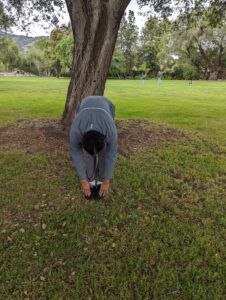
- Static stretches: These stretches have you holding a position gently for about 10–30 seconds, with no bouncing. Think about touching your toes or reaching behind your back. Static stretches work well at the end of a workout or right before bed.
- Dynamic stretches: With dynamic stretching, you’re moving your joints and muscles through their full range at a slow, steady pace. Arm circles or gentle leg swings are great examples. Dynamic stretching is helpful as a warm-up, before walking or other mild exercise.
- Balance and mobility stretches: These moves help the entire body work together smoothly and are well-suited for improving coordination. Examples include standing calf stretches and slow lunges. Not only do these stretches target flexibility, but they also give balance a boost.
When to Stretch: Before and After Exercise
I always stretch before and after any sort of physical activity. Before I start, I use dynamic stretches to get my blood flowing and muscles warmed up. This helps prepare the body and keeps injuries from sneaking up. Gentle arm swings, side bends, or hip circles are excellent here.
After exercising, I switch to static stretches. With the muscles already warm, it feels great to hold a hamstring stretch or open up the chest for a bit. This post-exercise stretching helps lengthen muscles, tones down soreness, and signals the start of recovery. Even a short session after a walk can make a huge difference in how you feel the next day.
Areas Seniors Should Focus On
While stretching the whole body pays off, some areas need a bit more attention as we get older:
- Legs and hips: Hamstrings, quads, calves, and hip flexors especially benefit from some stretching. Tightness in these groups can make standing and walking tougher than it ought to be.
- Back and spine: Gentle twists, cat-cow stretches (arching and rounding your spine), and shoulder rolls release tension. They also help with your posture and keep your back more comfortable.
- Shoulders and arms: Stretching across the chest or extending overhead helps the upper body stay ready for reaching and dressing without strain.

How to Stretch Safely
It’s straightforward to start stretching, but listening to your body is key. Here’s how to do it safely:
- Go slowly and avoid bouncing. Controlled movement lowers injury risk.
- Breathe naturally, keeping breaths steady. Don’t hold your breath—deeper breaths help muscles relax.
- Only stretch to the point of a gentle pull. If you feel sharp pain, back off immediately.
- Warm up your body a bit first; even a brief walk will do. Stretching cold muscles is never comfortable.
Stretching As a Daily Habit
One of my easiest strategies to stay on track with stretching is to tie it to routines I already have. I’ll stretch my calves while brushing my teeth or fit in some arm motions while watching TV. Being consistent really matters—you don’t need long sessions, just a few minutes here and there make a difference over time.
Online, you can track down illustrated guides and plenty of senior-friendly videos. If you’re looking for more guidance, some local community centers or senior programs offer classes focused on flexibility and mobility. Joining a group can fuel your motivation, and it’s a fun way to learn new moves and make friends.
Common Myths About Stretching for Seniors
People sometimes worry they’re too old to start stretching or think it’s just for athletes. In reality, picking up stretching at any age gives you a real boost in comfort and how you move. Another bit of misinformation is that stretching should hurt to work. Actually, gentle and steady stretching is safer and more effective for seniors.
I often like to remind folks that stretching isn’t just about bending over and touching your toes—it’s about making daily life simpler. Bending, reaching, or even getting in and out of a car is easier when your muscles stay flexible and sturdy.
Tips for Staying Motivated
Keeping up a stretching routine isn’t always easy, especially at first. I use reminders like putting notes by the mirror, setting regular times, or teaming up with a friend. Finding enjoyment in the process helps me stick with it; picking stretches I find comfortable or playing my favorite background music changes the whole atmosphere into a positive one.
Wrapping Up
Stretching might seem like a simple habit, but it really packs a punch when you keep at it. For seniors, it boosts flexibility, balance, and the ease of day-to-day movement. Pay attention to proper form and work stretching into your daily pattern, and you can stay active and mobile well into your later years. Whether you’re just getting started or looking to mix up your current stretching plan, even a few minutes each day can make daily activities feel lighter and much more manageable.